Heartburn: causes, how to get rid of it and what helps
Share
What is heartburn?
Heartburn (acid reflux) is a burning sensation behind the breastbone, often accompanied by a sour or bitter taste in the mouth, and the regurgitation of air or stomach contents. The discomfort is usually worse after eating, bending over, or lying down.
Mild, episodic heartburn, occurring no more than once a month, is common in most adults at least once in their lifetime. However, frequent or severe heartburn is considered a serious signal that the digestive system is not functioning properly.
Overweight people and pregnant women are more likely to experience heartburn due to increased pressure on the stomach and esophageal sphincter.
What diseases cause heartburn?
Regular heartburn is most often associated with:
-
Gastroesophageal reflux disease (GERD)
-
Acute or chronic gastritis (with increased acidity)
-
Stomach or duodenal ulcer
Since the esophageal mucosa is not adapted to contact with acids, prolonged exposure to acid causes irritation and inflammation.
Frame types
Heartburn is divided into:
- By frequency: episodic, regular
- By nature: burning behind the sternum, burning in the throat
- By intensity: light, bright
- According to the relationship with food: after a meal, independent of eating
- By origin: functional or related to gastrointestinal pathologies
Causes of heartburn
Belly fat can be caused by both poor eating habits and internal organ disorders.
The most common reasons:
- lower esophageal sphincter dysfunction
- hiatal hernia
- chronic gastritis
- inflammation of the pancreas or gallbladder
- long-term use of certain medications
Foods that provoke heartburn:
- spicy dishes
- citrus fruits
- tomatoes and their products
- fatty, fried food
- chocolate
- coffee
- alcohol
- carbonated drinks
Behavioral factors:
- overeating
- eating before bed
- physical activity after a meal
- stress
- smoking
- tight clothes
How does heartburn occur? (mechanism)
Heartburn is most often caused by a weakness in the lower esophageal sphincter. When this muscle doesn't close tightly enough, acidic stomach contents enter the esophagus and irritate its lining.
Heartburn symptoms
- burning behind the breastbone
- sour or bitter taste in the mouth
- pouring out
- nausea
- bloating
- cough
- hoarseness
- insomnia
If symptoms recur, sleep is disturbed, weight loss occurs, or severe pain occurs, it is necessary to consult a doctor.
How to get rid of heartburn?
In many cases, lifestyle changes help:
- eat more often, in small portions
- avoid fatty, spicy, and acidic foods
- not eating 3–4 hours before bedtime
- sleep with the upper body elevated
- maintain a healthy body weight
- manage stress
Peptides to support stomach function
Peptide bioregulators can be used for complex support, supporting the function of the gastric mucosa and acidity balance:
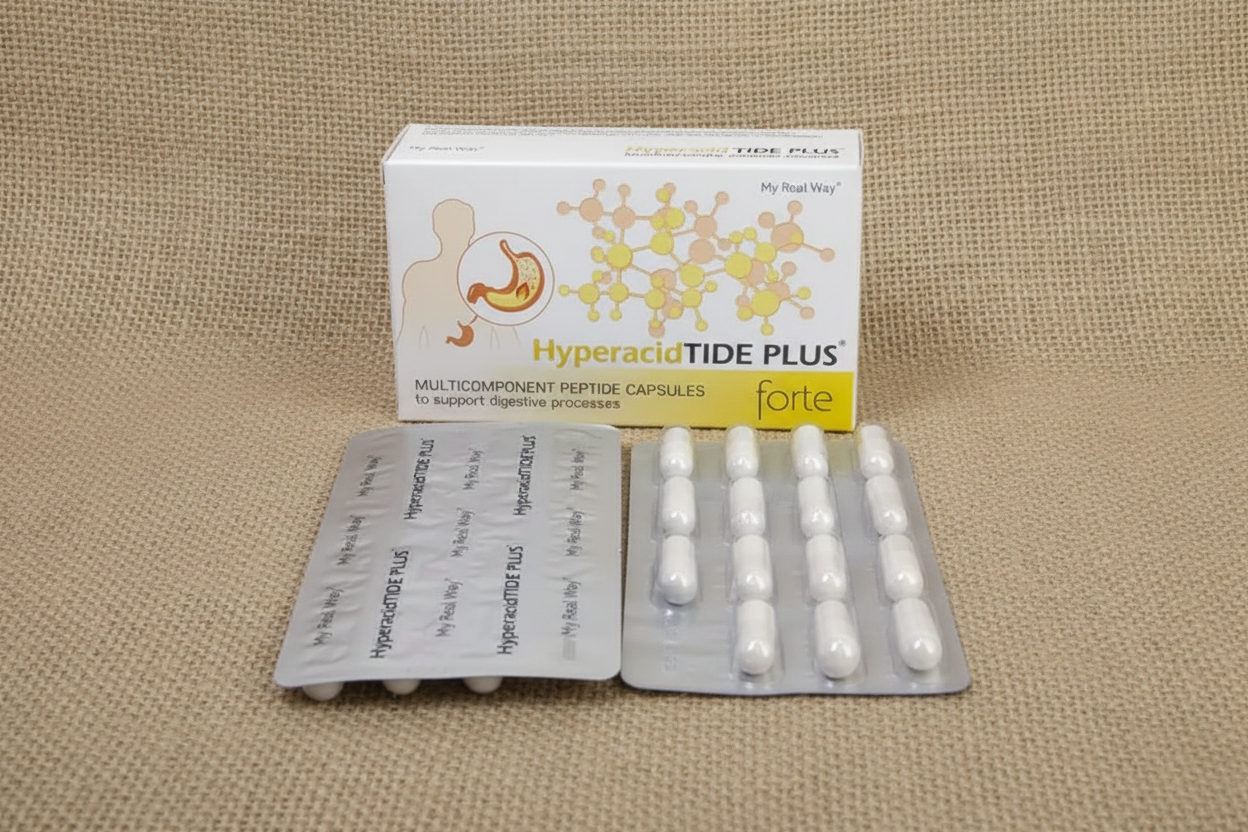
- HyperacidTIDE PLUS forte – recommended for increased stomach acidity
HyperacidTIDE PLUS forte helps balance increased stomach acidity, protect the stomach lining, and reduce irritation. Peptide bioregulators act at the cellular level – they promote mucosal regeneration, support normal gastric secretion, and help reduce heartburn, burning, and discomfort after eating. The supplement contributes to the stability of the digestive system and improved well-being.
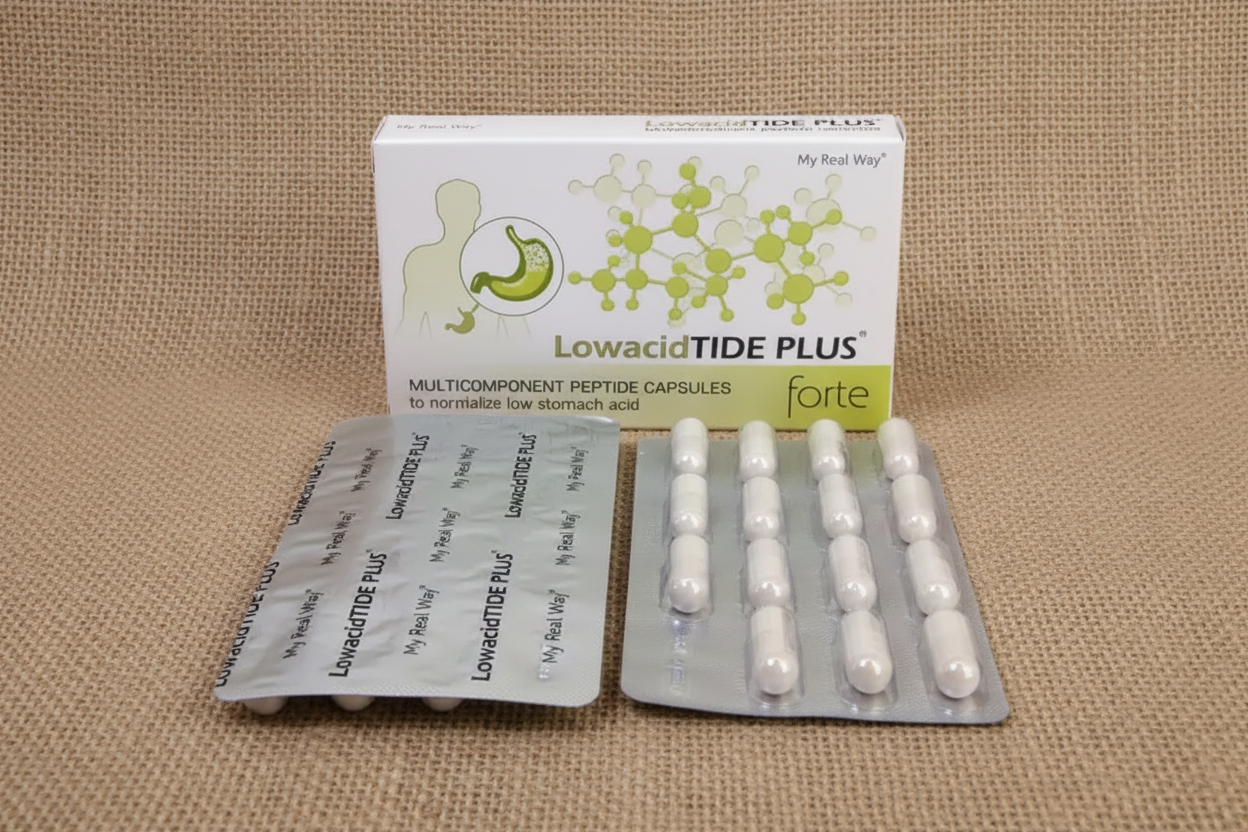
- LowacidTIDE PLUS forte – for low acidity
LowacidTIDE PLUS forte is intended to maintain normal stomach acid production in cases of reduced acidity. Peptides help activate the secretion of digestive enzymes, improve the absorption of nutrients, and maintain healthy stomach lining function. Regular use helps reduce feelings of heaviness and bloating and supports effective and complete digestion.
These dietary supplements help support mucosal regeneration, optimize secretory processes, and improve the overall condition of the digestive system.
Heartburn during pregnancy
About 45% of pregnant women experience heartburn due to hormonal changes and the pressure of the growing uterus. To relieve symptoms, it is recommended to adjust your diet, avoid irritating foods, and, if necessary, consult a doctor for safe treatment.
Conclusion
Heartburn is not a disease, but an important signal from the body. Although episodic heartburn is often associated with dietary errors, frequent and severe symptoms may indicate more serious digestive disorders. Early prevention, lifestyle changes, and peptide support help reduce the recurrence of heartburn, protect the esophagus, and improve quality of life.