
Gout: symptoms, consequences and effective treatments
· 2 min read
Gout is a metabolic disorder characterized by the accumulation of uric acid crystals in joints and tissues. This causes severe inflammation, pain, and movement restrictions. This disease has been known since ancient times, and today it is associated with excessive consumption of purines, impaired kidney function, and an unhealthy lifestyle.
In this article we will discuss:
• the main symptoms of gout,
• consequences without treatment,
• the most effective treatment methods,
• nutritional recommendations,
• natural methods and peptide supplements that can help reduce gout symptoms.
What is gout?
Gout is a chronic disease caused by a disorder of purine metabolism. When the concentration of uric acid in the blood increases (hyperuricemia), its crystals accumulate in the joints, kidneys, and soft tissues.
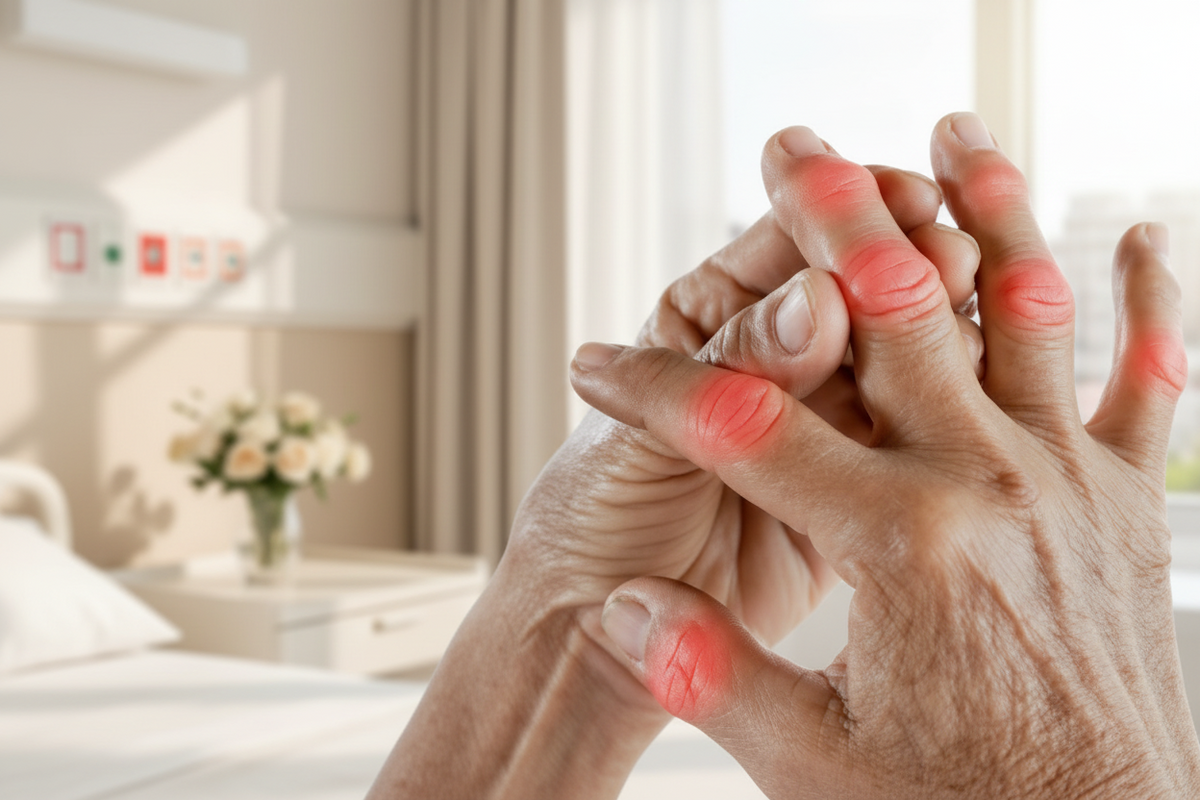
The big toe joint is most commonly affected, but inflammation can also affect the ankles, knees, fingers, wrists, or elbows.
Main symptoms of gout
✔ Sudden and severe pain in the joint – usually starts at night.
✔ Redness, swelling and heat in the affected area.
✔ Restriction of movement due to intense pain.
✔ Tophi are hard lumps of crystals that form under the skin.
✔ Recurrent episodes of inflammation lasting from a few hours to a few days.
How to recognize gout in the early stages?
Even without obvious symptoms, signs indicating risk may occur:
- increased uric acid levels in the blood,
- family history of gout,
- episodic nocturnal joint pain,
- frequent digestive, kidney or metabolic disorders.
Consequences of gout if it is left untreated
Untreated gout can cause:
- chronic joint damage , cartilage and bone deformities,
- kidney stones ,
- chronic renal failure ,
- frequent painful attacks of inflammation ,
- limitation of movement and deterioration of quality of life .
How to treat and manage gout?
Gout treatment is always complex. It includes:
1. Lifestyle correction
- reduce the consumption of products containing purines (red meat, offal, sardines, legumes),
- drink more water,
- avoid alcohol, especially beer and spirits,
- normalize body weight.
2. Medical treatment
(Prescribed by a doctor.)
- anti-inflammatory drugs to reduce pain,
- preparations that reduce uric acid levels in the blood.
Peptide supplements that may help with gout
JointsTIDE PLUS forte – cartilage peptides
Helps regenerate damaged cartilage, reduces inflammation, and protects joints from further damage.
KidneyTIDE PLUS forte – kidney peptides
Improves kidney filtration function, helps remove uric acid from the body faster, and reduces the risk of gout flare-ups.
Natural methods and complementary practices
Folk methods
- Bay leaf decoction – helps gently promote the elimination of uric acid.
- Nettle tea – has diuretic properties.
- Clay compresses – reduce swelling and pain.
Oriental medicine practices
- Acupuncture – reduces pain and inflammation.
- Massages – improve blood circulation.
- Yoga – helps maintain joint mobility and reduce stress, which increases inflammatory processes.
Nutritional recommendations for gout
- Eat more vegetables and fruits, especially those rich in vitamin C.
- Choose whole grain products .
- Include low-fat dairy products .
- Eat nuts and seeds – they contain anti-inflammatory fats.
- Avoid sugar, white bread, and processed meat.
Conclusion
Gout is a serious but manageable disease. Early diagnosis, proper nutrition, lifestyle changes, and modern peptide supplements can help reduce pain, protect joints, and improve quality of life.
JointsTIDE PLUS forte and KidneyTIDE PLUS forte are products that can be useful in comprehensively supporting cartilage and kidney function.
Folk methods and oriental medical practices may complement the effect, but should not replace the main treatment.