Hepatitis and peptides: how to maintain liver health during treatment and prevention
· 3 min read
Hepatitis is a serious liver inflammation that can have long-term consequences. Learn about the types of hepatitis, their risks, and how peptide bioregulation can help support liver function during treatment and prevention.
What is hepatitis?
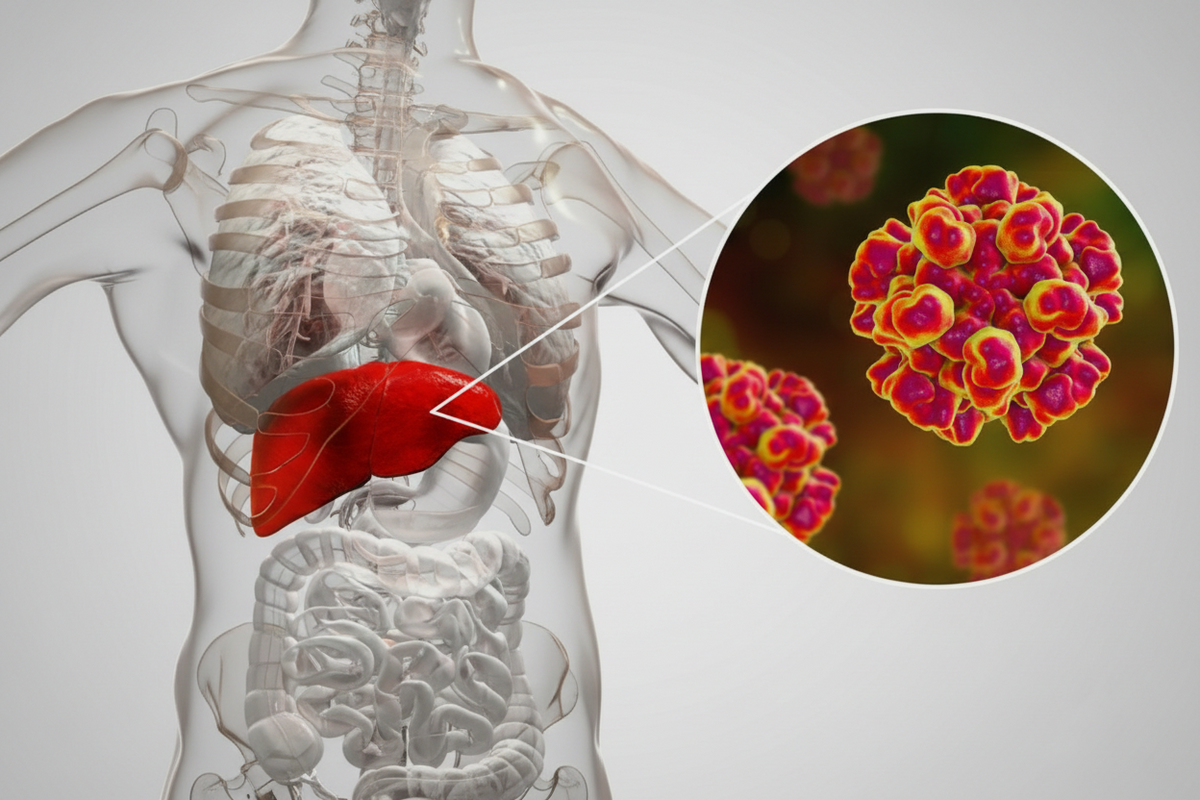
Hepatitis is an inflammation of the liver that can be caused by viral infections, alcohol, certain medications, toxins, or autoimmune processes. The liver performs vital functions: detoxification, protein synthesis, hormone metabolism, and bile production. Therefore, any long-term damage to it can have serious consequences for the entire body.
Untreated or prolonged hepatitis can progress to liver fibrosis, cirrhosis, or even liver cancer .
Main types of hepatitis
Hepatitis A
Transmitted through contaminated food and water. It is usually acute and does not progress to a chronic form.
Hepatitis B
Spreads through blood and other body fluids. Can become chronic and cause severe liver damage.
Hepatitis C
It is usually transmitted through the blood. It can be asymptomatic for a long time, but often causes chronic liver damage.
Hepatitis D
Occurs only with hepatitis B and can worsen the course of the disease.
Hepatitis E
Most often transmitted through contaminated water, it usually goes away on its own, but is dangerous during pregnancy.
Why is liver support so important?
The liver has strong regenerative properties, but constant inflammation, toxins, and metabolic disorders eventually deplete its resources. As a result:
- metabolism is deteriorating
- increasing fatigue
- weakening immunity
- toxic substances accumulate
Therefore, in addition to the main treatment, additional support measures are increasingly being sought that would not burden the liver.
Peptide bioregulation for liver support
Peptides are short chains of amino acids that are involved in cell signaling and tissue regeneration processes. Peptide bioregulation is not focused on suppressing symptoms, but on maintaining natural liver functions within physiological limits .
Peptides can be used for:
- to support liver cell function
- to optimize metabolic processes
- to increase the body's resistance
- during rehabilitation and prevention
It is important to emphasize: peptides are not a cure for hepatitis , but they can be a useful aid in supporting overall liver function.
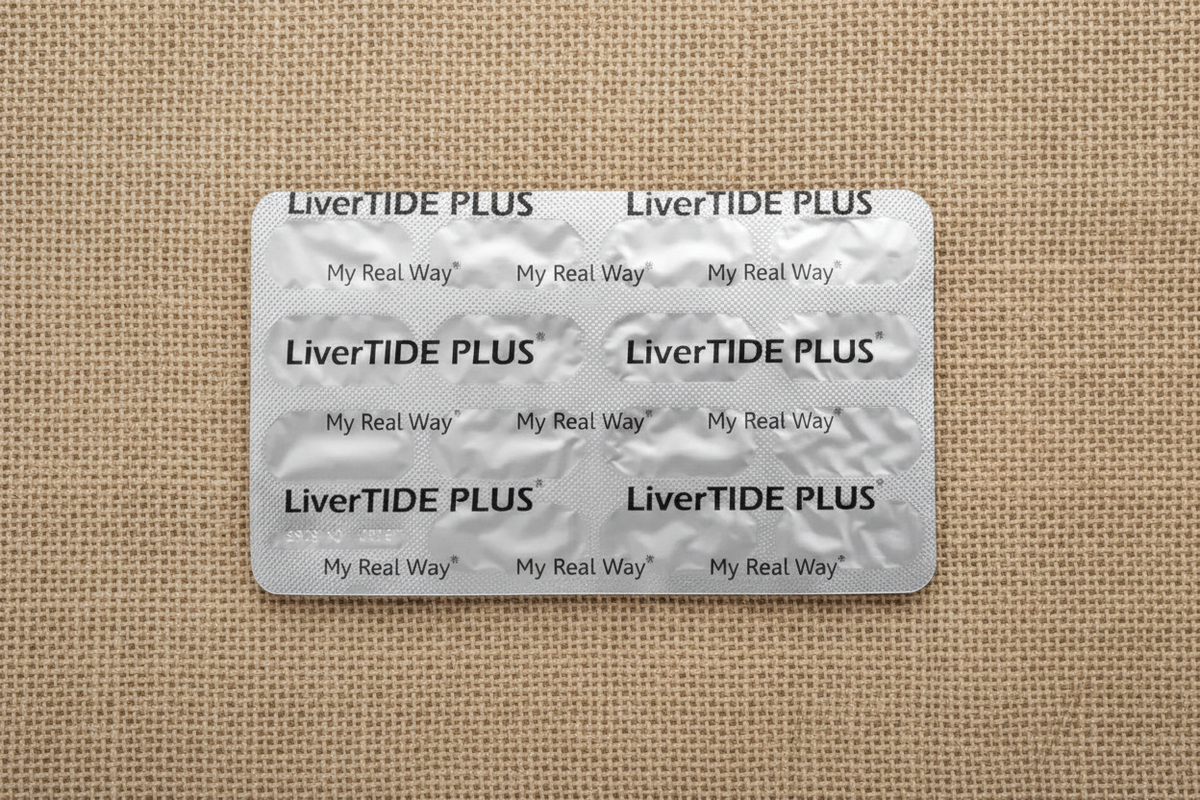
LiverTIDE PLUS forte – peptide support for the liver
LiverTIDE PLUS forte is a natural dietary supplement with peptides designed to support liver function under increased load.
Possible supporting effects:
- supporting liver cell regenerative processes
- balancing detoxification processes
- supporting metabolic functions
- improving well-being during the rehabilitation period
The product may be relevant:
- after previous liver diseases
- during long-term medication use
- with increased liver load
- for prevention, to maintain liver function
Possible consequences of hepatitis without proper care
If liver inflammation progresses, you may develop:
- liver fibrosis and cirrhosis
- circulatory disorders
- accumulation of toxins in the body
- hepatic encephalopathy
- increased risk of oncological diseases
Therefore, early diagnosis, doctor-prescribed treatment, and responsible liver support are extremely important.
What You Can and Are Recommended to Eat When You Have Hepatitis or to Support Liver Health
Proper nutrition helps reduce the load on the liver, supports regenerative processes, and improves overall well-being.
Recommended Foods
Vegetables
- Boiled or stewed vegetables
- Carrots, zucchini, pumpkin
- Beets (in moderation)
- Broccoli, cauliflower
Fruits
- Apples (especially baked)
- Pears
- Bananas
- Berries (blueberries, cranberries – in small amounts)
Grains
- Oatmeal
- Buckwheat
- Brown rice
- Whole-grain pasta (in moderation)
Protein Sources
- Lean chicken or turkey
- Lean fish (cod, pike)
- Egg whites
- Low-fat cottage cheese
- Legumes (in small amounts, if well tolerated)
Fats (in moderation)
- Olive oil
- Flaxseed oil
- Avocado (small amounts)
Beverages
- Still (non-carbonated) water
- Mild herbal teas
- Rosehip decoction
- Green tea (not strong)
🚫 Foods to Limit or Avoid
These products increase the burden on the liver and may promote inflammatory processes.
❌ Prohibited or Not Recommended Foods
Alcohol
- Alcohol in any form (even small amounts)
Fatty and Fried Foods
- Fried foods
- Fatty sauces
- Fast food
Processed Foods
- Sausages, smoked meats
- Canned foods
- Ready-made and processed meals
Sweets
- Refined sugar
- Pastries and confectionery
- Sugary drinks
Spicy and Irritating Foods
- Spicy seasonings
- Raw garlic and onions
- Vinegar, pickled foods
Other Foods to Limit
- Full-fat dairy products
- Mushrooms
- Large amounts of legumes
- Coffee (especially strong and on an empty stomach)
General Dietary Recommendations for Liver Health
- Eat 5–6 small meals per day
- Avoid overeating
- Food should be warm, not very hot or cold
- Choose boiling, stewing, or baking methods
- Drink enough water daily
Important to Know
These recommendations are general guidelines. In cases of chronic hepatitis or other liver diseases, dietary plans should be discussed with a doctor or dietitian, taking individual health conditions into account.
Conclusion
Hepatitis is a serious signal that the liver needs special attention. The modern approach to health increasingly includes a comprehensive strategy : medical treatment, lifestyle adjustments, and responsibly selected additional support.
Peptide bioregulation , such as LiverTIDE PLUS forte , can become a valuable part of supporting liver function during treatment, rehabilitation or prevention, helping the body return to its internal balance.